Filipino Martial Arts
Kali · Eskrima · Arnis
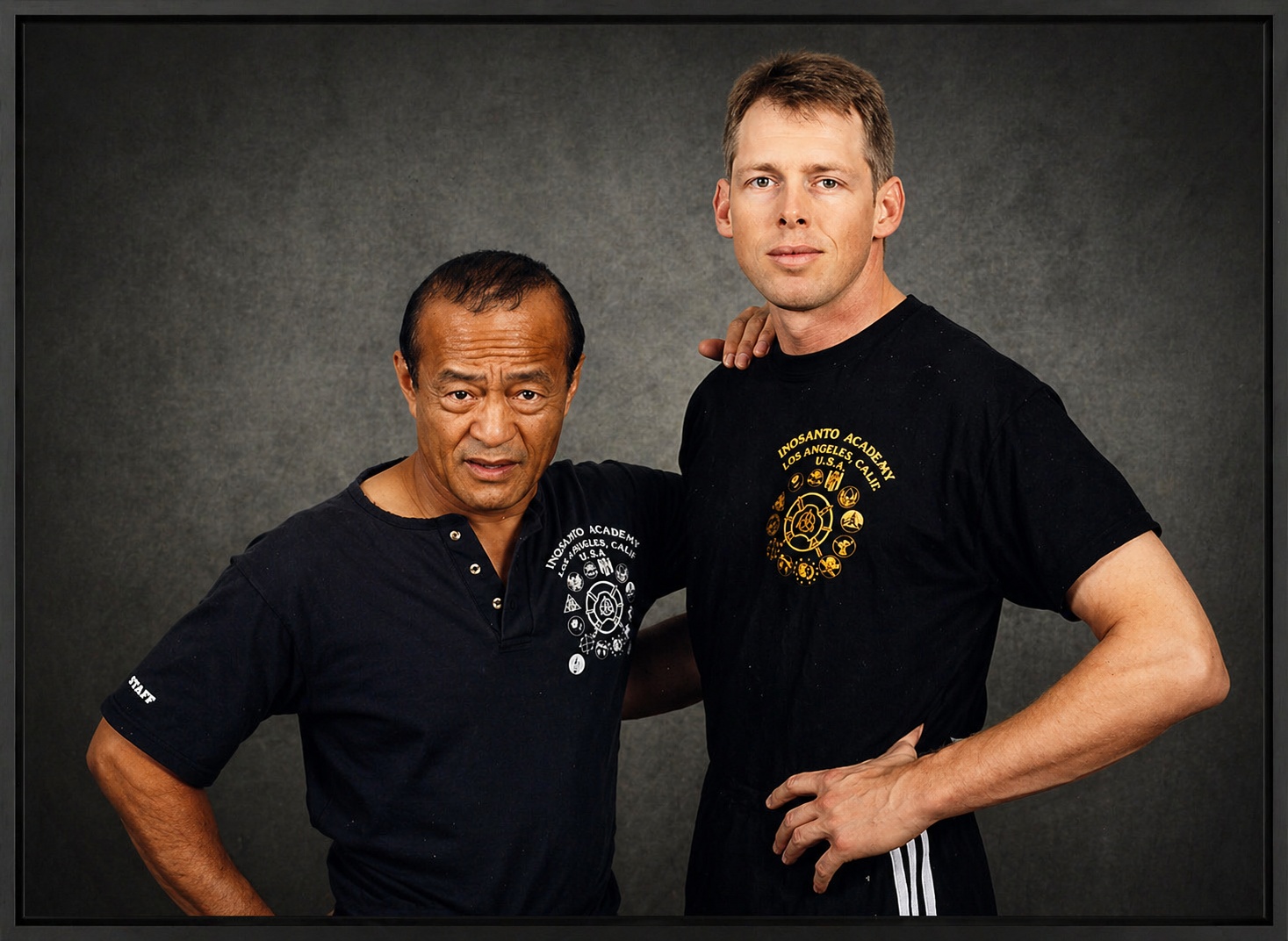
Kali is uniquely suited for self-defense, as it was bred as a fighting art centered on weapons. Our Filipino martial arts program at NW Kali is garnered from over 40 years of training in the Inosanto Blend method. With more than 30 different instructors and over 65 years of experience, Inosanto has accumulated an almost unimaginable depth of knowledge in the styles and techniques of Kali, Eskrima, and Arnis.
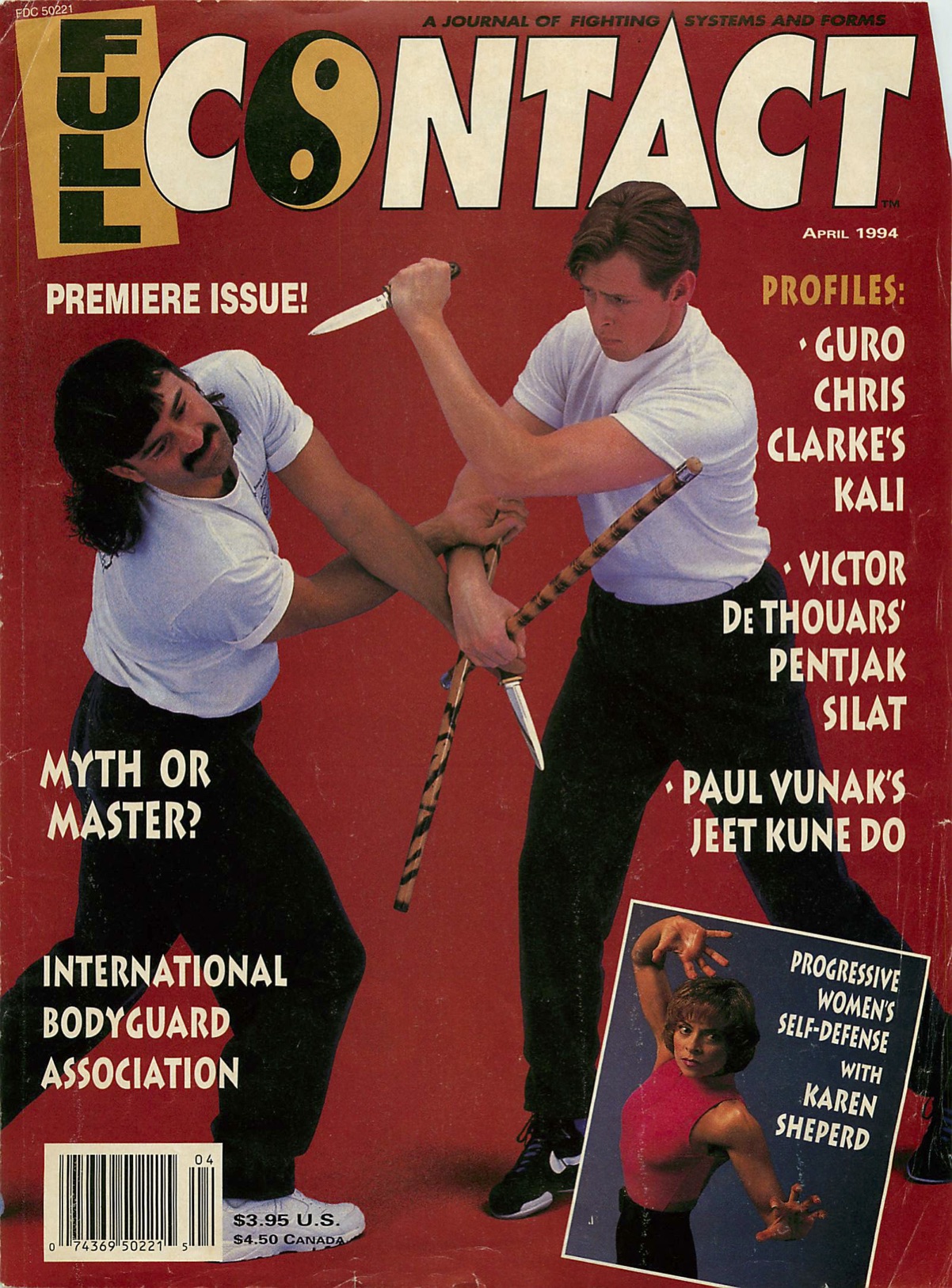
Our Kali method features multiple areas of study, including the staff, spear, swords, sticks, knives, and flexible weapons, as well as an extensive empty-hand system further organized into boxing, elbow and knee strikes, joint locks, throws, and grappling and submissions known as Dumog. Learn fundamental and advanced skills in both the offensive and defensive use of bladed weapons (knife, machete) and impact weapons (stick, cane, flashlight, racket, rock, etc.). Our Filipino martial arts training curriculum of Kali, Eskrima, and Arnis will help you quickly gain effective skills through a safe and practical progression.
Jeet Kune Do
Jun Fan Gung Fu
Bruce Lee and Dan Inosanto coined Jeet Kune Do (JKD) in 1967 — a philosophy of cross-training and personal expression in martial arts that remains widely misunderstood, partly because Lee's approach never stopped evolving. Its foundation, Jun Fan Gung Fu, blends modified Wing Chun with kickboxing, throws, locks, and takedowns. At least 30 years ahead of its time, it's the forerunner to modern Mixed Martial Arts, but designed for real self-defense — no rules, no weight classes, no time limits. Eight of Black Belt magazine's top-ten fighting styles trace back directly or indirectly to Lee and Inosanto. The core values: economy, simplicity, and effectiveness.
Born in San Francisco and an American citizen, Lee was raised in Hong Kong, where he trained Wing Chun under Ip Man, competed in boxing, and trained in fencing with his brother. After relocating to Seattle, he opened the Jun Fan Gung Fu Institute, later expanding to Los Angeles with Inosanto as head instructor. In an era when cross-training was frowned upon, Lee broke every convention — teaching non-Chinese students, training across multiple styles, and openly dismissing rigid traditional methods as "the classical mess." His vocal admiration for boxers and wrestlers further alienated him from the mainstream martial arts community. Those controversial attitudes ultimately became the philosophical and technical backbone of JKD.
Thai Martial Arts
Muay Thai
Muay Thai, known as "the Art of Eight Limbs," is a striking art that utilizes fists, elbows, knees, and shins as weapons, making it one of the most comprehensive stand-up combat systems in the world. Training is demanding and rooted in both physical conditioning and technical refinement. Pad work forms the backbone of most sessions — fighters sharpen combinations, timing, and power by working with a partner holding Thai pads, as well as focus mitts. Clinch work — not allowed in boxing or kickboxing — and Lin Chen, a deliberate light-style timing sparring, allow fighters to train without injury and thereby compete frequently.
Beyond the physical, traditional Muay Thai training emphasizes discipline, respect for training partners and instructors, and a patient step-by-step approach to skill development — values central to Ajarn Sirisute's teaching philosophy and the culture he has worked to preserve and share across the world. Ajarn Sirisute began teaching Muay Thai in the United States in 1968 and is widely recognized as the father of Thai Boxing in America. He became known for deliberately incorporating elements of Western boxing into his Muay Thai curriculum, blending hand combinations, footwork, and defensive boxing principles with traditional Muay Thai's devastating kicks, knees, and elbows — creating a more complete and adaptable system suited to Western fighters and competition formats.
In 1982, Ajarn Sirisute led the first American team to compete at the Muay Thai World Championships in Thailand, a historic milestone. Legendary martial artist Dan Inosanto began training with Ajarn Sirisute and later introduced him to the Kali/JKD community, dramatically expanding Muay Thai's reach. His Thai Boxing Association, now the World Thai Boxing Association (WTBA), has since grown to over 70 US branches and representation in 15 countries. Here in the Pacific Northwest, that legacy took root early. NW Kali has been promoting and sharing Muay Thai under the TBA in the Northwest since 1988 and opened the first formal TBA Muay Thai gym in Portland, Oregon in 1992.
Maphilindo Blend
Silat
Maphilindo Silat draws from multiple Southeast Asian silat traditions — primarily from Malaysia, the Philippines, and Indonesia (hence "Maphilindo"). Inosanto studied under numerous masters from these regions, including Master John Lacoste (Pangamut, Kali-Silat), Pendekar Paul DeThouars (Pentjak Silat Serak/Bukti Negara), and Pendekar Herman Suwanda (Pentjak Silat Mande Muda), weaving their teachings into a cohesive curriculum.
Silat is primarily a close-quarter style known for fluid stances, intricate footwork patterns with both standing and ground mobility, and the use of angles to evade and counter simultaneously. It is rich in trapping hands, off-balancing, sweeps, takedowns, and destructions — preemptive striking to limbs — and integrates both empty-hand and weapons work, including the knife and flexible weapons such as the sarong, cord, and scarf. Empty-hand techniques make extensive use of knees, elbows, and most every hard and sharp body surface — including environmental structures — for impact on an opponent.
Filipino Boxing
Panantukan
Panantukan is the Filipino boxing system drawn from the empty-hand portion of Kali — known as Pangamut, meaning "of the hand." Now popularized as "Dirty Boxing" in modern MMA circles, Filipino Boxing as conveyed through the Inosanto FMA lineage is a cornerstone of NW Kali's empty-hand curriculum. The term Panantukan was preferred by the late Ted LucayLucay Sr., a Hawaiian-Filipino boxing champion and one of Guro Inosanto's primary sources alongside Master John LaCosta. Inosanto recounts that LucayLucay Sr. favored the older term in the 1970s to avoid confusion with the Japanese style Shotokan, as the national language Tagalog term Suntokan sounded too similar.
The art carries a prominent Western boxing influence — a legacy of the American military presence in the Philippines, which introduced English/Queensbury rules boxing and left a lasting mark on the Filipino striking tradition. Our striking program blends Western boxing, Muay Thai, Jun Fan Kickboxing, and Filipino-influenced boxing into a dynamic and functional curriculum — utilizing all surfaces of the hands, including hammer-fists and open-hand strikes, along with feet, shins, forearms, knees, elbows, and the head. Ideal for self-defense, law enforcement, and competition.